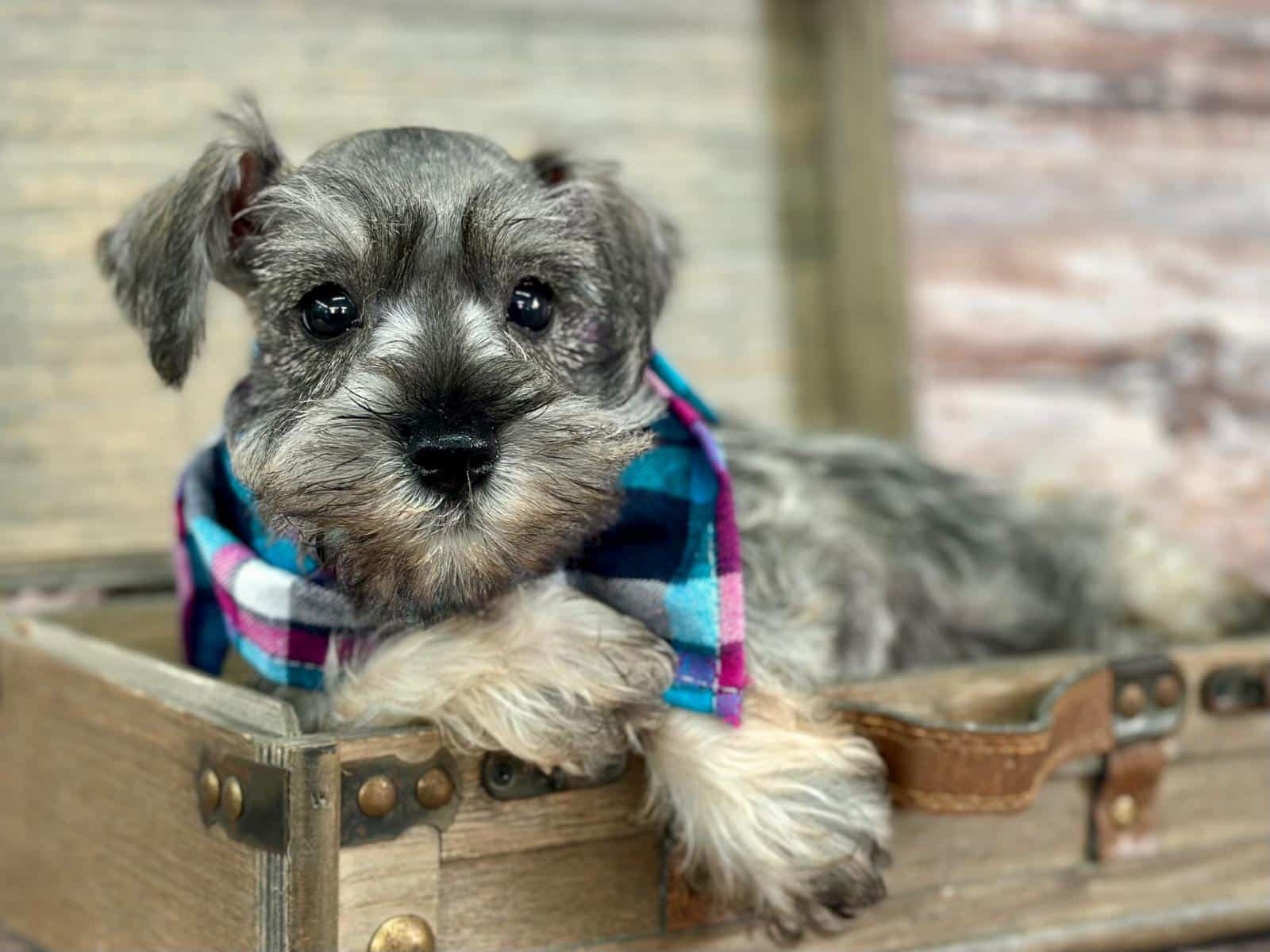
 Yes, we have Miniature Schnauzer puppies for sale and we do deliver to West Virginia! As Miniature Schnauzer Breeders located in Northern Indiana, we are a short drive from West Virginia. At Fernweh Schnauzers, we specialize in breeding health tested, well-rounded miniature schnauzer puppies for sale in a family oriented environment. We health test all of our parents and rely on a support system of schnauzer expert veterinarians to maintain one of the highest quality breeding programs in the country.

We are recognized as one of the top Schnauzer breeders in the country and have over a decade experience

Highly reviewed by our past adopters – 4.9 star Google review average

We are uniquely known for producing Healthy and Socialized Miniature Schnauzers
 Health Tested Parents
We have over a decade of bloodline improvement.
Health examines focus on:
Hereditary Diseases, Digestive, Patellar Tendons, Eyes, Hips, Heart, and Tail.
 Head to Tail Puppy Examination
Performed by our licensed veterinarian
 Customized personality profiling
We do personality testing to ensure that each puppy is a good match for their family.
 Platinum Health Guarantee
 Personal follow-up after puppy goes home
We are fully invested in supporting our adopters during the critical transition period.
 Each of our Puppies come with:
-AKC Registration from “Bred With Heart AKC Breeder”
-Bag of puppy food
-Internal parasite prevention
-Blanket that has been with their litter
-First puppy grooming
-Starter toys
-Fully up to date on vaccinations
Be the first to know about new litters and puppy pictures! Subscribe now.
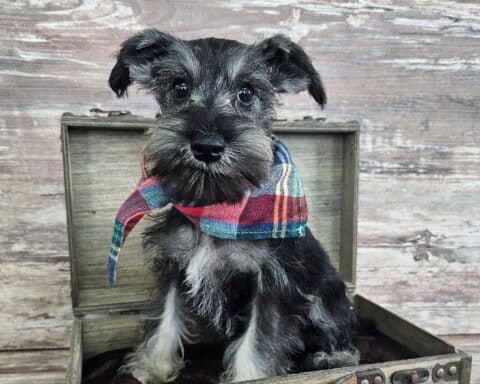

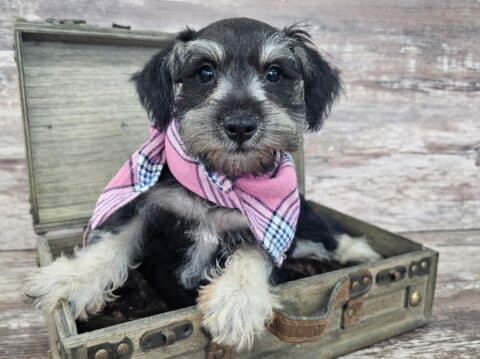
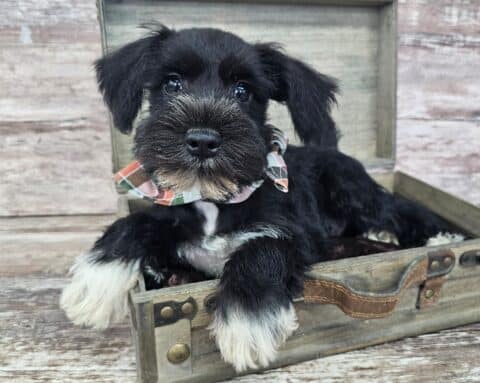
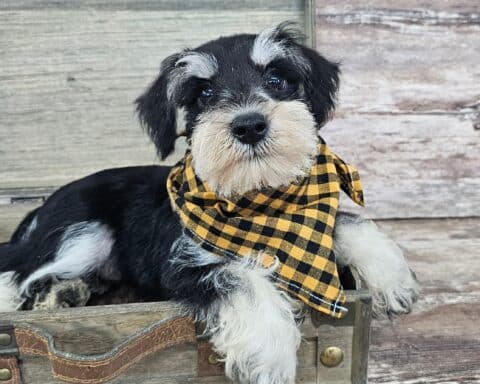
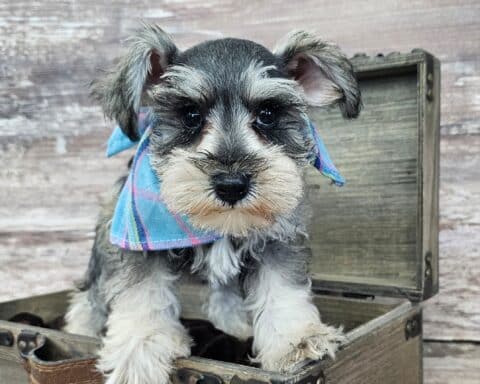
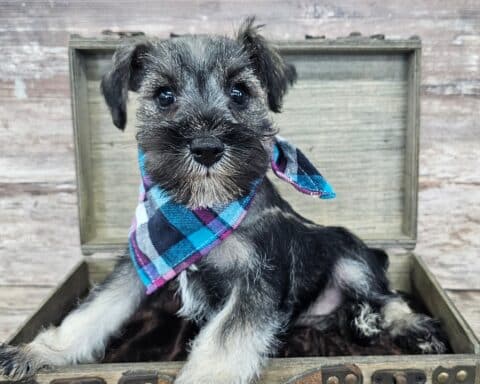
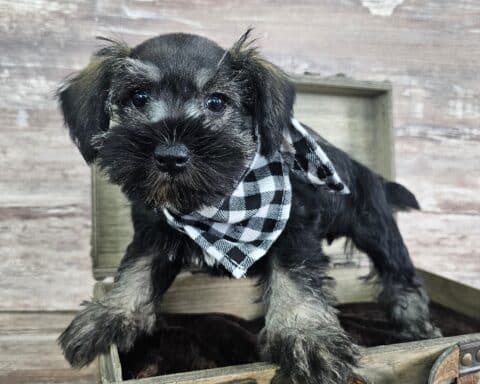
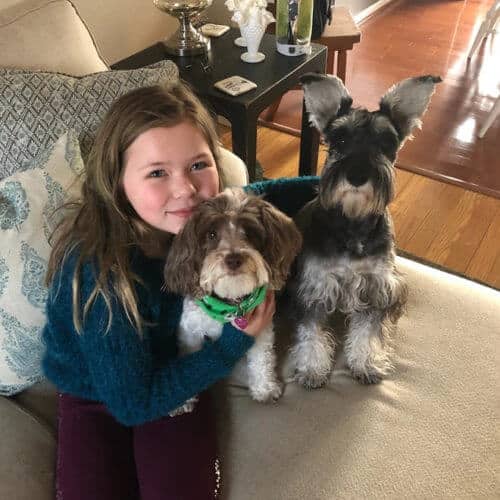
All of our miniature schnauzer puppies for sale undergo a rigorous socialization program and early neurological stimulation. Because we are miniature schnauzer breeders with a young family, our children play an integral part of early puppy stimulation. We intentionally introduce our miniature schnauzer puppies to as many stretching experiences and environments as possible to prepare them for life outside of our home.
As Miniature Schnauzer Breeders located near West Virginia, we find many potential adopters that are interested in our breeding program. If you are in the market for a new miniature schnauzer companion, feel free to contact us and start a conversation. If you do decide that we are a good fit we are only a short drive away!
West Virginia, also known as the Mountain State, is a fantastic destination for outdoor adventures with your miniature schnauzer. With its breathtaking landscapes, picturesque trails, and pet-friendly attractions, West Virginia offers a wide array of activities for you and your furry friend to enjoy together.
Hiking
One of the top things you can do with your miniature schnauzer in West Virginia is to explore the state’s extensive network of hiking trails. The Appalachian Mountains run through the state, providing numerous opportunities for scenic hikes. The famous Appalachian Trail, which stretches over 2,000 miles from Georgia to Maine, winds its way through West Virginia, offering sections suitable for day hikes with your furry companion. The Dolly Sods Wilderness, located in the Monongahela National Forest, is another popular hiking destination with its unique high-altitude plateau and stunning vistas.
State Parks
West Virginia is also home to several state parks that welcome pets. For example, Blackwater Falls State Park offers pet-friendly trails that lead to beautiful waterfalls and overlooks. Take your miniature schnauzer on a leisurely stroll and enjoy the sights and sounds of nature. Coopers Rock State Forest is another pet-friendly destination, known for its impressive rock formations and panoramic views of the Cheat River Gorge. With a variety of trails to choose from, you and your furry friend can spend hours exploring the forest together.
Water Activities
If you and your miniature schnauzer enjoy water activities, West Virginia has plenty to offer. The state is renowned for its rivers and lakes, providing opportunities for boating, fishing, and swimming. Summersville Lake, located in Summersville, is a popular destination for water enthusiasts and their pets. Rent a kayak or paddleboard and explore the crystal-clear waters with your furry friend by your side. Keep in mind that there may be designated areas for swimming or leash requirements, so be sure to check the regulations beforehand.
Towns
West Virginia’s charming towns and cities also offer pet-friendly experiences. The capital city, Charleston, boasts several parks where you can take your miniature schnauzer for a stroll. The Kanawha State Forest, located just outside of Charleston, features over 25 miles of trails that wind through forests and meadows. It’s a great place to enjoy a peaceful hike and escape the bustle of the city.
Harpers Ferry, West Virginia
Harpers Ferry, a historic town nestled at the confluence of the Potomac and Shenandoah rivers, is another pet-friendly destination in West Virginia. Explore the town’s cobblestone streets and visit Harpers Ferry National Historical Park, where dogs are allowed in certain areas. Take a walk along the Appalachian Trail and enjoy the scenic views of the rivers and surrounding mountains.
Scenic Drives
West Virginia’s scenic drives offer a fantastic way to experience the state’s natural beauty with your miniature schnauzer. The Highland Scenic Highway, designated as a National Scenic Byway, offers breathtaking views of the Monongahela National Forest and the Allegheny Mountains. Roll down the windows, feel the wind in your hair, and enjoy the stunning vistas as you and your furry companion embark on a memorable road trip.
Traveling in West Virginia with your Miniature Schnauzer
When traveling with your miniature schnauzer in West Virginia, it’s essential to be prepared for the weather conditions. The state experiences four distinct seasons, with mild summers and cold winters. Pack accordingly, bring plenty of water for both you and your furry friend, and be mindful of any leash requirements or pet regulations in the areas you visit.
In conclusion, West Virginia provides a wealth of opportunities for outdoor adventures with your miniature schnauzer. Whether you’re hiking through the majestic mountains, exploring pet-friendly parks and trails, or enjoying water activities on the state’s lakes and rivers, there’s something for every dog-loving adventurer in the Mountain State.
 Greetings from the Wysongs! We are currently accepting deposits to join our waiting list for future miniature schnauzer puppies of many different colors. If you are interested in adding a Fernweh Schnauzer to your family we would encourage you to reach out to us via an email or phone conversation. Please be advised that we are known through the country as a breeder of high quality miniature schnauzer puppies and are in high demand. Be sure to reach out and plan in advance when considering a future Fernweh addition. Adopters who plan ahead and join our waiting list are preferred and treated as such during the adoption process. Click Here to see our puppies!